
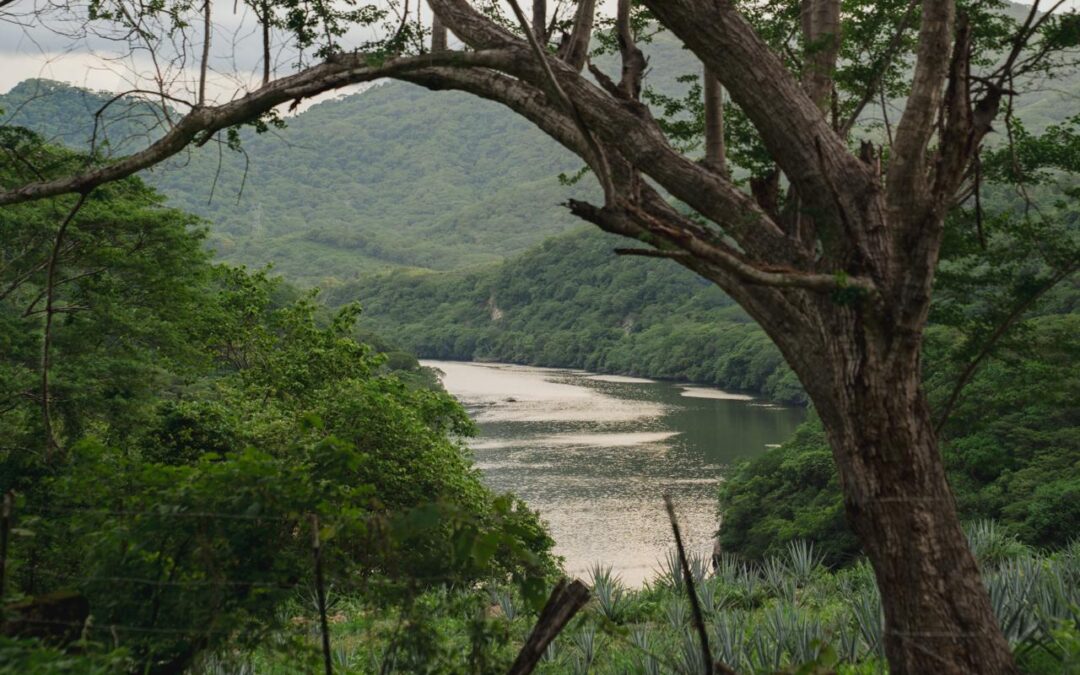
Lake Aguamilpa has earned its reputation as one of Mexico’s great fisheries. A productive day can put well over one hundred bass in the boat and another click on your clicker. Many will fall in the two- to five-pound range, and they will keep your rod bent from dawn to dusk. Many anglers ask whether Aguamilpa belongs in the trophy conversation. The answer is yes, with an important distinction. This is not El Salto or Baccarac, two legendary fisheries whose names are tied to generations of giant bass. Aguamilpa holds its own attraction with high volume, low pressure, and a fishery that increasingly produces double-digit bass as it matures.
What the numbers look like on the water
A hundred bass is a special kind of dull hook, rough thumb, sore arm kind of feeling. That kind of catch rate gives visiting anglers room to experiment with new presentations and still end the day with a fish tale worth repeating, as evidenced by pics of healthy fish set against stunning mountain landscapes. It is the reason Aguamilpa is such a good introduction to destination bass fishing and why mixed-skill groups do well here. Everyone gets opportunities, and a beginner can settle into the rhythm without feeling that one missed strike ruined the trip.
The bigger fish are part of the day, not the whole day
Our personal best on this water was a nine-pound whopper caught on a swimbait off a rocky bank in a cove at about 3:45 in the afternoon. We had just settled into our groove after siesta, the afternoon breeze bounced off the rock walls, and you could hear the faint tinkle of a cow bell. I was watching a calf step gingerly toward the water when Tony’s rod bent.
That is Aguamilpa’s big-fish appeal. A heavy bass can interrupt a numbers pattern without warning, but anglers who are serious about size usually have to fish differently. They may leave active three-pounders, slow down with a jig or Texas rig, and work deeper rock, timber, or a specific piece of submerged terrain long enough to earn one harder bite. The decision is part of the trip. Keep catching, or give up some action to hunt the fish that might reset your personal best.
Why the lake still has room to grow
Aguamilpa receives very little recreational fishing pressure for a reservoir of its size. There are no marinas, jet skis, or developed areas crowding the water every weekend. In fact, you can go all day without seeing another boat. The water is generally stable, and the flooded landscape offers rock, points, steep drops, standing timber, and submerged cover at many depths. The water is teeming with Tilapia and crawfish. Catch-and-release practices keep quality fish in the system. None of those facts guarantees a giant, but together they give bass the food, habitat, and time needed to become one. The result is a lake where the catch rate is already proven, and each fish you put back in the lake has a chance to be a legend one day.
How to book the right Aguamilpa trip
Winter is the strongest choice for anglers who want comfortable conditions, steady action, and the best first look at the lake. Spring gives trophy-minded anglers a better reason to slow down as larger females move shallower around the spawning period. Either season can produce a memorable fish, but the way you approach the water should match the reason you booked.
Winter 2026–27 and spring 2027 dates are now booking. Bring realistic expectations, a willingness to adjust, and enough line to handle a lake that does not make you wait long between hooksets.